In our fast-paced world, many people turn to yoga for stress relief, flexibility, and mental clarity. But what if yoga could do more—awakening a profound sense of energy, connection, and spiritual vitality? Enter Tantric Yoga, an ancient yet deeply relevant practice that goes beyond physical postures. Often misunderstood in the West as primarily sensual or sexual, authentic Tantric Yoga is a holistic path of weaving together body, breath, mind, and energy for personal transformation and enlightenment.
The word “Tantra” comes from Sanskrit, meaning “to weave” or “to expand.” It refers to a system that integrates all aspects of human experience—physical, emotional, energetic, and spiritual—into a unified whole. Unlike some traditional yoga paths that emphasize renunciation and detachment from the body, Tantra celebrates the body as a sacred vessel and a gateway to the divine. It views the physical form not as an obstacle but as a temple where cosmic energies (Shiva, representing consciousness, and Shakti, representing dynamic energy) can unite.
The Rich History of Tantric Yoga
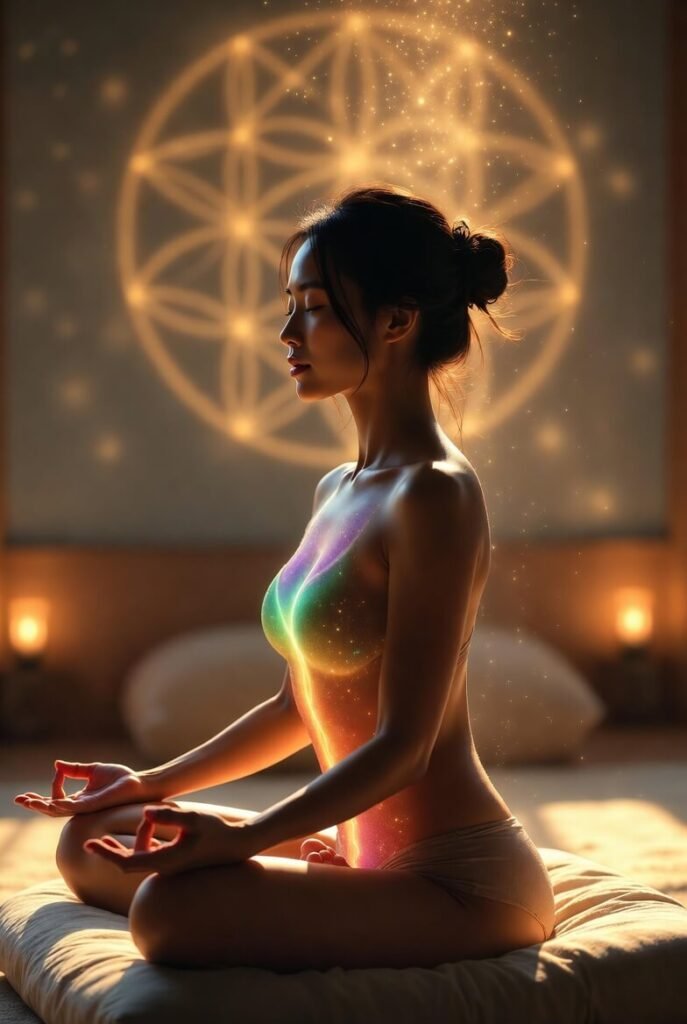
Tantric traditions emerged in India around the 5th to 12th centuries CE, flourishing within Hindu Shaivism and Shaktism, and later influencing Buddhism and other paths. Rooted in esoteric texts called Tantras, it developed as a revolutionary approach during medieval times. Practitioners in regions like Kashmir (associated with Kashmir Shaivism) explored inner alchemy, viewing everyday life and the body as expressions of the divine rather than something to transcend.
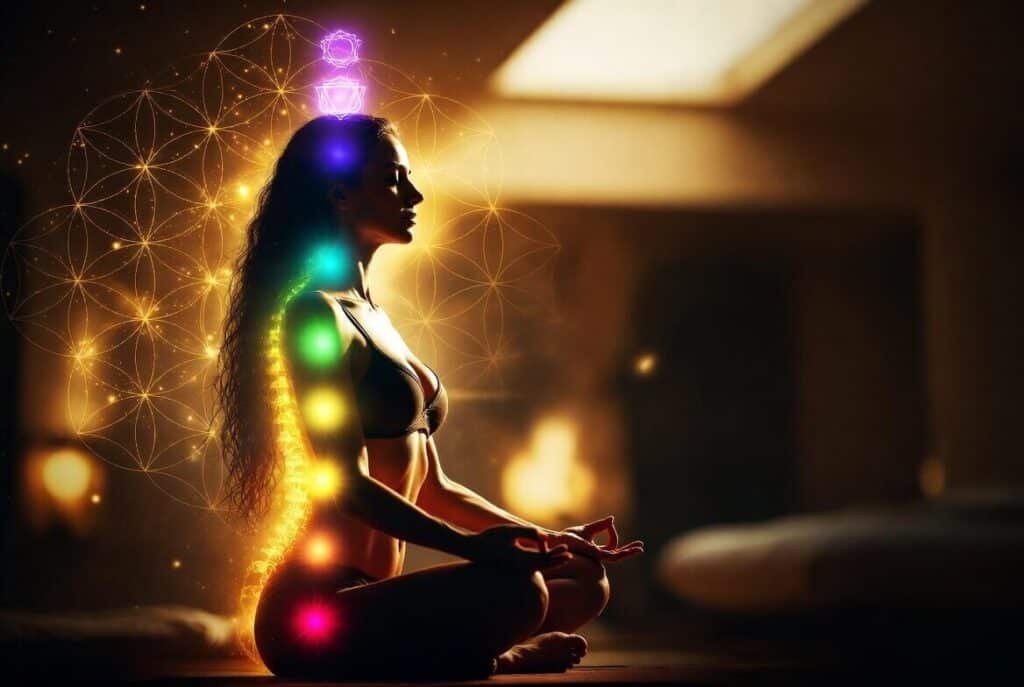
This era saw Tantra spread across Asia, absorbing into Tibetan Buddhism (as Vajrayana) and influencing Hatha Yoga, the physical foundation of many modern yoga styles. Early Tantrics used rituals, visualizations, mantras, and energy work to awaken Kundalini—the coiled serpent energy at the base of the spine—guiding it upward through the chakras (energy centers) for higher states of awareness.
While popular culture often highlights “left-hand” (Vamachara) paths involving taboo-breaking rituals (sometimes including symbolic or literal sexual practices for advanced practitioners), the “right-hand” (Dakshinachara) path—more common and accessible—focuses on internal practices like meditation, breathwork, and visualization. Tantra was suppressed over time but has seen a revival, offering tools for modern seekers.
Core Principles and Practices
At its heart, Tantric Yoga is about energy awareness and integration. It weaves multiple techniques:
- Asanas (Postures): Familiar yoga poses are held longer (often 2-10 minutes) with relaxed awareness. The focus shifts from perfect alignment to sensing prana (life force) flowing through the body. Poses like Lotus (Padmasana), Mountain (Tadasana), Warrior II, Cobra, or Downward-Facing Dog become vehicles for energy cultivation rather than just stretching.
- Pranayama (Breathwork): Breath is central. Practices like Ujjayi (ocean breath), alternate nostril breathing (Nadi Shodhana), or microcosmic orbit breathing help direct energy. Beginners might start with deep belly breathing synchronized with visualizations of light moving up the spine.
- Meditation and Visualization: Practitioners visualize deities, yantras (sacred diagrams), or energy flowing through chakras. Mantras (sacred sounds like “Om” or bija mantras) and mudras (hand gestures) amplify focus.
- Kundalini Activation: Central to Tantra is awakening dormant energy at the root chakra (Muladhara) and guiding it to the crown (Sahasrara) for bliss and unity consciousness. This involves bandhas (energy locks), kriyas (cleansing techniques), and subtle body work.
- Ritual and Daily Integration: Tantra blurs the line between practice and life. Simple daily rituals, gratitude, or mindful presence turn ordinary moments sacred. Partner practices (Red Tantra) can deepen intimacy through synchronized breath and eye gazing, but solo White Tantra is the foundation for most.
A typical session might begin with grounding in a comfortable seated pose, move into dynamic or held asanas with breath awareness, include chakra-focused meditation, and end in Savasana (Corpse Pose) for integration.
Benefits of Tantric Yoga
Practitioners report transformative effects:
- Physical: Improved flexibility, strength, vitality, and better sleep. Energy work can relieve tension and support hormonal balance.
- Mental/Emotional: Reduced anxiety, heightened self-awareness, emotional resilience, and greater confidence. It helps release stored traumas through energy flow.
- Spiritual: Deeper sense of connection, intuition, creativity, and purpose. Many experience expanded states of bliss, clearer intuition, and a feeling of oneness.
- Relational: Enhanced presence and intimacy in partnerships, fostering trust and passion when practiced mindfully.
In a world of disconnection, Tantric Yoga offers empowerment—reminding us that divinity resides within.
Getting Started Safely
Tantric Yoga is powerful, so approach it gradually. Beginners should learn from qualified teachers, especially for advanced energy work, to avoid imbalances. Start with 10-20 minute sessions: Sit comfortably, focus on breath, practice gentle poses with awareness, and meditate on a single chakra. Consistency matters more than intensity. Respect your body’s limits, stay hydrated, and journal experiences.
Modern adaptations blend seamlessly with Vinyasa or Hatha, emphasizing mindfulness over performance. Apps, online classes, or local studios can help, but seek authentic lineages rooted in tradition.
Common Misconceptions
Tantric Yoga is not just about sex—sexual elements are a small, optional subset for advanced practitioners and always within ethical, consensual contexts. It’s not “easy enlightenment” but a disciplined path requiring guidance. It celebrates life fully, without forcing renunciation.
As you explore, remember Tantra’s essence: expansion through presence. It invites you to weave the threads of your existence into a vibrant tapestry of awareness.
Frequently Asked Questions
Q: Is Tantric Yoga suitable for beginners?
A: Yes! Start with basic breathwork, gentle poses, and short meditations. Focus on awareness rather than perfection. A good teacher makes it accessible.
Q: How does it differ from regular yoga?
A: Traditional yoga often focuses on physical fitness or meditation alone. Tantric Yoga emphasizes energy (prana/Kundalini), integration of all practices, and using the body as a divine tool for spiritual awakening.
Q: Do I need a partner?
A: No. Solo practices build the foundation. Partner work is optional and enhances connection when both are prepared.
Q: Can it help with stress or relationships?
A: Absolutely. Breath and mindfulness reduce stress; energy awareness improves emotional intelligence and intimacy.
Q: Are there any risks?
A: Intense Kundalini practices can cause temporary energy shifts (like emotional releases). Practice mindfully, under guidance, and consult a doctor for health concerns.
Q: How long until I see benefits?
A: Many feel calmer after one session. Deeper changes emerge with regular practice over weeks or months.