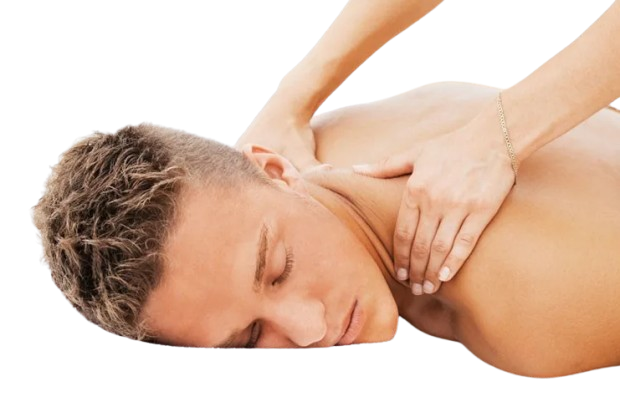
Massage therapy is one of the best natural ways to relax the body, reduce stress, and improve overall health. Among the many massage techniques available today, two of the most popular are Swedish massage and deep tissue massage. While both provide great benefits for the body and mind, they are quite different in their techniques, pressure levels, and the problems they help solve.
Many people who book a massage for the first time often wonder: Should I choose Swedish massage or deep tissue massage? Understanding the differences between these two massage styles can help you choose the one that best suits your needs.
In this article, we will explain Swedish massage vs deep tissue massage in a simple and easy-to-understand way, including their techniques, benefits, and who should choose each type.
What Is Swedish Massage?
Swedish massage is one of the most common and widely practiced types of massage therapy. It focuses on relaxation, gentle muscle stimulation, and improving blood circulation throughout the body.
This type of massage uses long, smooth strokes, kneading movements, circular motions, and light tapping techniques. The pressure used during Swedish massage is usually light to medium, making it perfect for people who want to relax and relieve stress.
The main goal of Swedish massage is to calm the nervous system and loosen tight muscles without causing discomfort.
Key Techniques Used in Swedish Massage

Swedish massage typically includes five main techniques:
- Effleurage – Long, smooth gliding strokes that warm up the muscles.
- Petrissage – Gentle kneading to release muscle tension.
- Tapotement – Light rhythmic tapping movements.
- Friction – Circular movements that help increase blood flow.
- Vibration – Gentle shaking movements to relax muscles.
These techniques work together to provide a relaxing and soothing massage experience.
Benefits of Swedish Massage
Swedish massage offers many health and wellness benefits, including:
- Reduces stress and anxiety
- Improves blood circulation
- Relieves mild muscle tension
- Promotes relaxation
- Improves flexibility
- Helps improve sleep quality
- Boosts overall wellbeing
This massage is often recommended for people new to massage therapy because it is gentle and relaxing.
What Is Deep Tissue Massage?
Deep tissue massage focuses on treating deeper layers of muscles and connective tissues. It is designed to target chronic muscle tension, knots, and long-term pain.
Unlike Swedish massage, deep tissue massage uses slow, firm pressure and deep strokes to reach muscles that are located deeper under the skin.
Therapists often use their fingers, knuckles, forearms, and elbows to apply stronger pressure and break down muscle knots.
Deep tissue massage is commonly used to treat:
- Chronic back pain
- Muscle injuries
- Sports-related muscle tension
- Posture problems
- Tight shoulders and neck
Although it may feel slightly uncomfortable during the session, it can provide long-lasting relief from muscle pain and stiffness.
Benefits of Deep Tissue Massage
Deep tissue massage can provide powerful therapeutic benefits such as:
- Relieves chronic muscle pain
- Breaks down muscle knots
- Improves posture
- Reduces inflammation
- Helps with injury recovery
- Improves mobility and flexibility
- Reduces stress stored in deeper muscles
Many athletes and people with physically demanding jobs prefer deep tissue massage.
Swedish Massage vs Deep Tissue Massage: Key Differences
Here is a simple comparison between the two massage styles:
| Feature | Swedish Massage | Deep Tissue Massage |
|---|---|---|
| Pressure | Light to medium | Firm to very firm |
| Purpose | Relaxation and stress relief | Pain relief and muscle recovery |
| Technique | Smooth, flowing strokes | Slow, deep pressure |
| Target Area | Surface muscles | Deeper muscle layers |
| Comfort Level | Very relaxing | Can be slightly intense |
| Best For | Stress, relaxation, beginners | Chronic pain, muscle knots |
Which Massage Should You Choose?
Choosing between Swedish and deep tissue massage depends on your personal needs and physical condition.
Choose Swedish Massage If:
- You want to relax and reduce stress
- You are new to massage therapy
- You have mild muscle tension
- You want a gentle and calming experience
- You want to improve circulation
Choose Deep Tissue Massage If:
- You suffer from chronic muscle pain
- You have tight knots in your muscles
- You are an athlete or physically active
- You want to fix posture problems
- You need targeted muscle treatment
Sometimes, therapists may combine both techniques during a session to provide the best results.
Can Swedish and Deep Tissue Massage Be Combined?
Yes, many professional massage therapists combine elements of Swedish and deep tissue massage to create a balanced experience.
For example, a session may start with Swedish massage techniques to warm up the muscles, followed by deep tissue techniques to target specific areas of tension.
This combination helps reduce discomfort and allows the therapist to work more effectively on tight muscles.
Are There Any Side Effects?
Both massage types are generally safe when performed by a professional therapist.
However, after a deep tissue massage, some people may feel mild soreness for a day or two. This is normal because the therapist works on deeper muscle layers.
Drinking water and resting after the massage can help reduce this soreness.
Swedish massage rarely causes any discomfort and usually leaves people feeling relaxed and refreshed.
Frequently Asked Questions (FAQs)
1. Which massage is better, Swedish or deep tissue?
Neither massage is universally better. Swedish massage is best for relaxation, while deep tissue massage is better for muscle pain and tension.
2. Does deep tissue massage hurt?
Deep tissue massage can feel intense at times because it targets deeper muscle layers, but it should not be extremely painful. Always communicate with your therapist if the pressure is too strong.
3. Is Swedish massage good for beginners?
Yes, Swedish massage is perfect for beginners because it uses gentle pressure and relaxing techniques.
4. How often should I get a deep tissue massage?
For muscle recovery or chronic pain, people often get a deep tissue massage once or twice a month.
5. Can Swedish massage remove muscle knots?
Swedish massage can help relax muscles, but deep tissue massage is more effective for removing stubborn muscle knots.
6. Which massage is best for stress relief?
Swedish massage is usually better for stress relief because it focuses on relaxation and calming the nervous system.
Final Thoughts
Both Swedish massage and deep tissue massage offer incredible benefits for the body and mind. The main difference lies in the pressure level and the purpose of the massage.
If your goal is relaxation, stress relief, and gentle muscle relaxation, Swedish massage is an excellent choice. On the other hand, if you are dealing with chronic muscle tension, knots, or pain, deep tissue massage can provide deeper therapeutic relief.
Understanding the difference between these two popular massage styles can help you choose the right treatment and enjoy a more satisfying massage experience.